
Custom Sports Mouthguards for West Shore Youth Rugby & Hockey: Why Store-Bought Falls Short
Blog:Custom Sports Mouthguards for West Shore Youth Rugby & Hockey: Why Store-Bought Falls Short
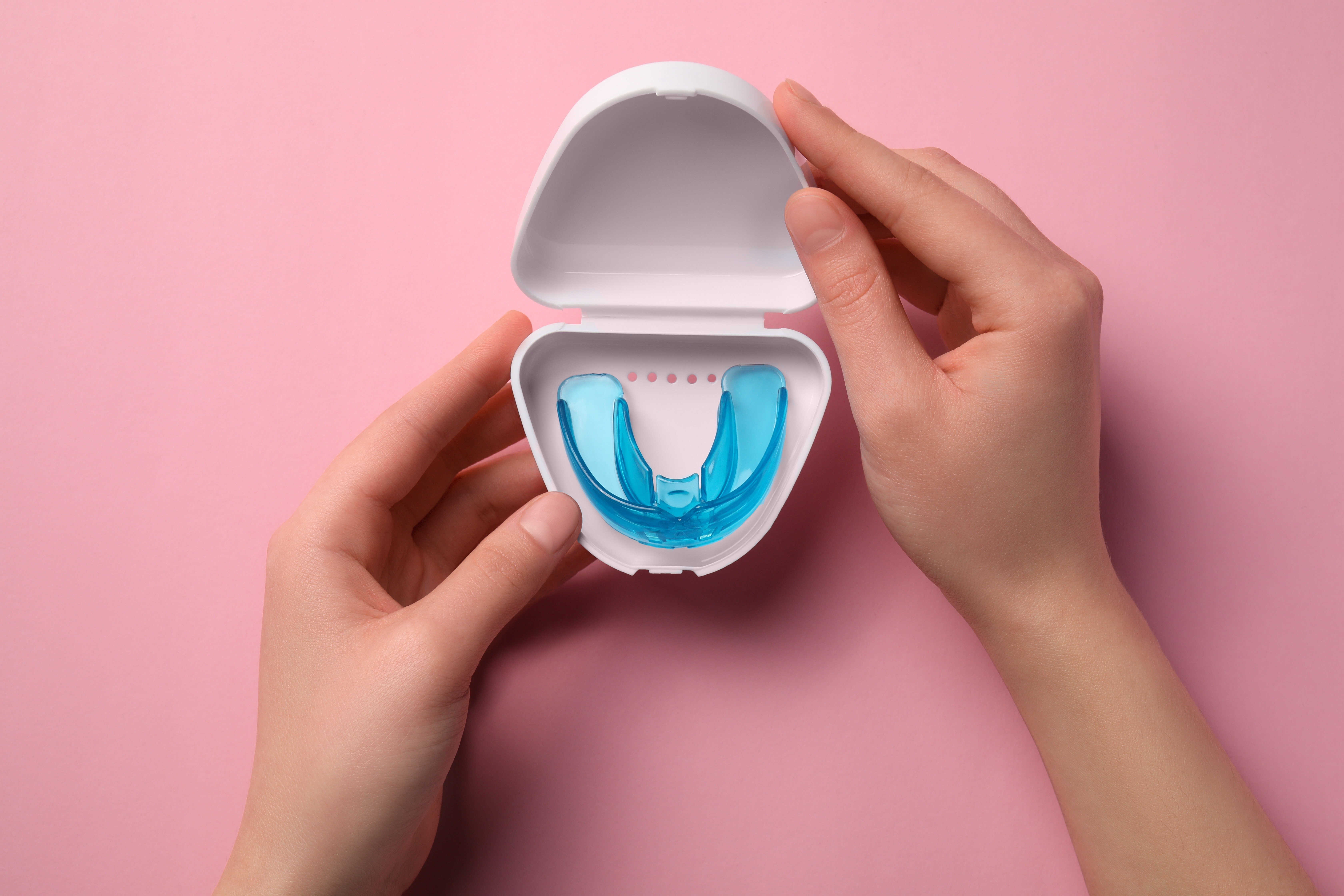
For young athletes across the West Shore, hockey and rugby bring plenty of speed, contact, and competition. They also bring a real risk of dental injuries from sticks, pucks, elbows, tackles, falls, and collisions. Helmets and other protective equipment are essential, but protecting the teeth and soft tissues of the mouth deserves attention too.
A properly fitted sports mouthguard can help reduce the risk of dental and facial injuries. For parents in Langford, Colwood, Metchosin, and surrounding communities, understanding the difference between custom and store-bought mouthguards can help you choose protection your child is more likely to wear consistently.
Why Mouthguards Matter in Hockey and Rugby
Both hockey and rugby involve situations where an athlete can take an unexpected impact to the face or jaw. A mouthguard creates a protective layer around the teeth and can help reduce injuries to the lips, cheeks, gums, and teeth.
Dental injuries can include chipped or fractured teeth, loosened teeth, cuts inside the mouth, and damage to the supporting tissues around a tooth.
A mouthguard cannot prevent every sports injury, and it should never replace sport-specific helmets, face shields, or other protective gear. However, it is an important part of a complete protection plan.
What Is the Difference Between Custom and Store-Bought Mouthguards?
Store-bought options usually fall into two categories - pre-formed stock guards and boil-and-bite guards.
Stock mouthguards come in standard sizes and may feel loose or bulky. Boil-and-bite guards are softened in hot water and shaped around the athlete's teeth at home. They provide more customization than stock guards, but the final fit depends heavily on how accurately they are molded.
A custom mouthguard is created specifically around the athlete's teeth and bite. This allows the design to account for their individual mouth rather than relying on a general shape.
Why Can a Custom Fit Matter?
A mouthguard only provides useful protection when the athlete actually wears it correctly. Poor fit is one reason children may chew on, remove, or avoid wearing store-bought guards.
Potential advantages of a professionally fitted mouthguard include:
A more secure fit during running, skating, and physical contact
Less bulk compared with many stock mouthguards
Easier breathing and speaking
Coverage shaped specifically around the athlete's teeth
Greater comfort during practices and games
Customization for braces or changing dental needs
Improved likelihood that the athlete will keep it properly positioned
For West Shore youth athletes who practice several times a week, comfort and fit can make a noticeable difference.
What About Young Athletes With Braces?
Children and teenagers with braces still need protection during contact sports. In fact, an impact can press brackets or wires against the lips and cheeks, adding another potential source of injury.
A mouthguard for an athlete undergoing orthodontic treatment needs enough space to accommodate the appliances and changes in tooth position. This is another situation where professional fitting can be valuable.
Parents should also have the fit checked periodically because children's mouths continue to grow and their teeth can change quickly.
When Should a Sports Mouthguard Be Replaced?
Youth mouthguards do not necessarily last for years. A growing child may need a replacement as permanent teeth erupt, orthodontic treatment progresses, or the bite changes.
The mouthguard should also be checked regularly for cracks, tears, thinning material, or a loose fit. Athletes who chew heavily on their guards may need replacements more frequently.
Clean the mouthguard after use, allow it to dry completely, and store it in a ventilated protective case. Avoid exposing it to excessive heat, which can distort the material.
Protect Their Smile Before the Next Season Starts
The best time to think about dental protection is before an injury happens. If your child plays hockey, rugby, or another contact sport on the West Shore, a properly fitted mouthguard can be an important addition to their athletic equipment.
Contact Orchid Dental at 141-2401G Millstream Road, Victoria, BC V9B 3R5 by calling (250) 474-4742 to discuss your child's sports dental protection and whether a custom mouthguard may be appropriate for their teeth, bite, and activities.
Helpful Articles
article_category: products
article_category: psychiatry
article_category: faqs
article_category: cats
article_category: general
article_category: services
article_category: technology
article_category: dogs
article_category: restorative
article_category: vision therapy
article_category: contact lenses
article_category: health
article_category: conditions
article_category: eye surgery co-management
article_category: exotic
article_category: cosmetic
article_category: surgical procedures
article_category: aesthetics
article_category: preventative
article_category: ocular disease management
article_category: eyeglasses
article_category: eye health
article_category: large animal
[]
article_category: psychiatry
article_category: faqs
article_category: cats
article_category: general
article_category: services
article_category: technology
article_category: dogs
article_category: restorative
article_category: vision therapy
article_category: contact lenses
article_category: health
article_category: conditions
article_category: eye surgery co-management
article_category: exotic
article_category: cosmetic
article_category: surgical procedures
article_category: aesthetics
article_category: preventative
article_category: ocular disease management
article_category: eyeglasses
article_category: eye health
article_category: large animal
[]
Flowbite is an open-source library of interactive components built on top of Tailwind CSS including buttons, dropdowns, modals, navbars, and more.
Check out this guide to learn how to get started and start developing websites even faster with components on top of Tailwind CSS.

All Dental Services
We offer a wide variety of dental services to the Victoria community. Contact us with any questions about our services.
Keep In Touch
For non-urgent questions or to learn more about our services, contact us today!
© 2026 Orchid Dental. All rights Reserved - Accessibility Statement - Privacy Policy - Sitemap
Managed and Designed by 